How Does an Infinity Pool Work?
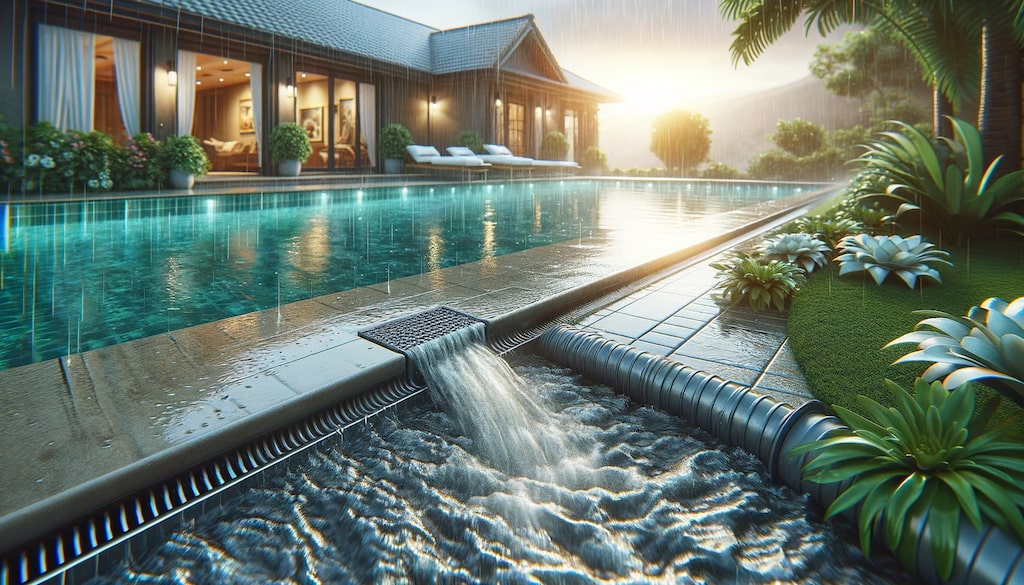
Infinity pools, often seen in luxury resorts and modern homes, create a stunning visual effect where the water appears to merge seamlessly with the surrounding landscape. This illusion is achieved through a vanishing edge that allows water to spill over into a hidden overflow basin. The water is then collected, filtered, and recirculated back into the pool, maintaining a constant level. While breathtaking in design, infinity pools require precise engineering and expert installation to function safely and efficiently.
For more: How Does an Infinity Pool Work?
Types of Infinity Pools
Infinity pools – also called vanishing edge or negative edge pools – are designed so that the water flows over one or more edges, creating the illusion that the pool blends seamlessly with the surrounding landscape. These pools are often built on elevated locations or properties with scenic views, making them a popular choice for luxury homes and resorts. Depending on the design and structure, infinity pools can be categorized into several types.
- Single Edge infinity pools:
Single edge infinity pools are the most common type of vanishing edge pool. In this design, one side of the pool is built lower than the rest, allowing water to flow over that edge into a hidden catch basin below. The water is then filtered and pumped back into the pool.
This design creates the illusion that the pool merges with the horizon – whether it’s an ocean, lake, mountains, or city skyline. Single edge infinity pools are typically more affordable than other infinity designs because only one edge requires the special overflow system.
- Multi Edge infinity pools
Multi edge infinity pools feature two or more vanishing edges, allowing water to spill over multiple sides of the pool. This design enhances the visual effect and makes the pool appear even more dramatic from different viewing angles.
These pools are commonly found in luxury resorts or high-end residential properties with expansive views. Because they require additional engineering, structural reinforcement, and larger catch basins, multi edge infinity pools generally cost more than single edge designs.
- Perimeter overflow pools
Perimeter overflow pools create a striking mirror-like surface where water spills over all sides of the pool into a surrounding trough or channel. This design produces a perfectly level water surface that appears flush with the deck.
Often referred to as a “mirror pool,” perimeter overflow designs provide one of the most visually stunning effects in modern pool architecture. However, they require complex hydraulic systems and precise construction, making them one of the most expensive infinity pool styles.
Are Infinity Pools Dangerous? Common Safety Concerns
Despite their aesthetic appeal, some safety concerns come with infinity pools. Proper awareness and safety measures can help mitigate risks.
Depth Perception Issues
The optical illusion created by the vanishing edge can sometimes make it difficult to gauge the depth of the pool. Swimmers, especially beginners, may misjudge the depth, increasing the risk of accidental slips or falls. Clear signage and pool markings can help address this issue.
Slippery Surfaces
Like any pool, infinity pools can have wet and slippery surfaces. The overflow area may also become slick, posing a slip hazard. Using non-slip materials and regularly maintaining the pool deck can reduce the risk of accidents.
Child & Pet Safety
Children and pets are naturally curious and may be drawn to the infinity edge. Without proper supervision, they could attempt to climb or lean over the edge, leading to potential accidents. Installing safety barriers and ensuring constant adult supervision can help prevent mishaps.
Overflow Basin Risks
The overflow basin is a crucial part of an infinity pool’s design, but it can also be a hazard if not properly maintained. Standing water can become a breeding ground for bacteria, and poorly designed basins may not handle high water volumes efficiently. Regular cleaning and proper drainage solutions are essential to keep the pool safe and hygienic.
Structural Concerns
Infinity pools require a strong and stable foundation, special pool design ,particularly for installations on rooftops or elevated surfaces. Any structural weakness can lead to leaks, cracks, or, in extreme cases, collapse. Professional engineering assessments and high-quality materials are necessary to ensure long-term durability and safety.
Safety Features and Precautions
To make infinity pools safer, several precautionary measures should be considered:
Professional Installation
A well-constructed infinity pool requires experienced professionals who understand structural integrity, water circulation, and proper drainage. Hiring qualified contractors ensures that the pool meets safety standards and functions efficiently.
Non-Slip Surfaces
Using textured tiles or non-slip coatings around the pool deck minimizes the risk of slipping. Ensuring that the overflow area is designed with slip-resistant materials also adds to overall safety.
Barriers & Railings
Installing transparent barriers or railings near the infinity edge can provide an additional layer of safety without compromising the pool’s aesthetic appeal. These barriers can help protect children, pets, and inexperienced swimmers.
Regular Maintenance
Routine inspections and maintenance help prevent safety hazards such as leaks, cracks, or malfunctions in the circulation system. Professional pool renovation services can address any wear and tear, ensuring the longevity and safety of the pool.
Child Safety Measures
Implementing child-proof pool covers, motion-sensor alarms, and designated shallow zones can enhance safety for families with young children. Teaching kids about pool safety and enforcing strict supervision is crucial in preventing accidents.
How Much is an Infinity Pools?
The cost of an infinity pool varies depending on size, design complexity, location, and site conditions. On average, homeowners can expect to spend between $80,000 and $150,000 or more for a professionally built infinity pool.
Several factors influence the total price:
- Pool size and shape
- Number of vanishing edges
- Structural engineering requirements
- Landscape and elevation conditions
- Materials such as tile, stone, or glass finishes
- Additional features like lighting, waterfalls, or heating systems
Properties built on slopes or hillsides often require additional retaining walls and structural support, which can significantly increase installation costs.
Infinity Pool vs Regular Pool
Infinity pools differ from traditional swimming pools mainly in design and construction. While both provide relaxation and recreation, infinity pools offer a more luxurious and visually dramatic experience.
Infinity Pools:
- Water flows over one or more edges
- Designed to create a seamless horizon effect
- Require a catch basin and recirculation system
- Usually built in scenic or elevated locations
- Considered a luxury pool option
Regular Pools:
- Water remains contained within the pool walls
- Simpler construction and plumbing systems
- Suitable for most residential backyards
- Lower installation and maintenance costs
Because infinity pools require specialized engineering and additional hydraulic systems, they typically involve more planning and higher construction expenses than standard pools.
Cost Difference
The cost difference between an infinity pool and a regular swimming pool can be substantial.
- Standard Inground Pool: typically ranges from $40,000 to $70,000 depending on size and materials.
- Infinity Pool: generally starts around $80,000 and can exceed $200,000 for large or complex designs.
The main reason for this price difference is the extra structure and equipment required for infinity pools. Builders must construct a hidden catch basin, install advanced pumping systems, and ensure precise leveling for the overflow effect.
Despite the higher cost, many homeowners choose infinity pools for their unique aesthetic appeal, luxury feel, and the ability to enhance scenic views, making them a standout feature in modern outdoor living spaces.
Conclusion
Infinity pools are a stunning addition to any property, offering a luxurious and tranquil swimming experience. However, like any other pool, they come with safety considerations. Understanding how an infinity pool works and implementing proper safety measures can help reduce risks. Professional installation, non-slip surfaces, structural integrity, and diligent supervision are key factors in ensuring that infinity pools remain a safe and enjoyable feature for all users.
FAQs
What are the problems with infinity pools?
Infinity pools require precise construction, regular maintenance, and proper drainage. Structural weaknesses, slippery surfaces, and overflowing basins can be potential issues if not properly managed.
Are infinity pools dangerous for kids?
Yes, infinity pools can be risky for children if adequate safety measures aren’t in place. Barriers, pool covers, and adult supervision are essential to ensuring child safety.
Has anyone fallen out of an infinity pool?
While rare, accidents can happen if individuals attempt to climb or lean over the vanishing edge. Proper design, safety barriers, and education on pool safety help prevent such incidents.
Are rooftop infinity pools dangerous?
Rooftop infinity pools require careful engineering and structural reinforcement. If built and maintained correctly, they are safe; however, any construction flaws or lack of maintenance can pose risks. Regular inspections and professional assessments are crucial for safety.
By understanding potential risks and taking proactive safety measures, you can enjoy the beauty and relaxation of an infinity pool without compromising safety. If your pool needs upgrades or repairs, professional pool renovation services can ensure a secure and stylish swimming environment.