Owning a swimming pool is one of the best ways to enjoy your backyard oasis, but over time, the pool’s surface can start to show wear and tear. Cracks, stains, and rough textures not only make your pool look old but can also affect its safety and comfort. That’s where pool replastering comes in. Replastering restores your pool’s smooth finish, enhances its appearance, and extends its lifespan. In this guide, we’ll explore what pool plaster does, when you should consider replastering, how the process works, and what it costs.
What Does Pool Plaster Do?
Pool plaster serves as the final layer that coats the interior surface of your swimming pool. It acts as a waterproof barrier between the pool shell (typically made of concrete or gunite) and the pool water. This plaster layer not only ensures that your pool holds water properly but also gives it a smooth, attractive finish.
There are different types of pool plaster finishes, including:
- Standard white plaster – the most common and affordable.
- Colored plaster – for added visual appeal.
- Quartz and pebble finishes – more durable, resistant to staining, and longer-lasting.
Without a proper plaster layer, your pool would quickly develop leaks, algae growth, and structural damage.
Signs Your Pool Needs to Be Replastered
Knowing when it’s time to replaster your pool can save you from bigger and more expensive problems later. Here are some telltale signs:
- Rough or Pitted Surface – When the plaster becomes rough, it can irritate skin and damage swimsuits.
- Discoloration and Stains – Persistent stains that don’t come off after cleaning indicate surface deterioration.
- Cracks and Flaking – Small cracks can eventually lead to leaks or structural issues.
- Exposed Gunite – If you see gray spots or rough patches, the plaster has worn away.
- Frequent Water Loss – A sign that cracks or leaks in the plaster are allowing water to escape.
If you notice any of these symptoms, it’s time to consult a professional pool contractor about replastering.
Process for How to Replaster a Pool
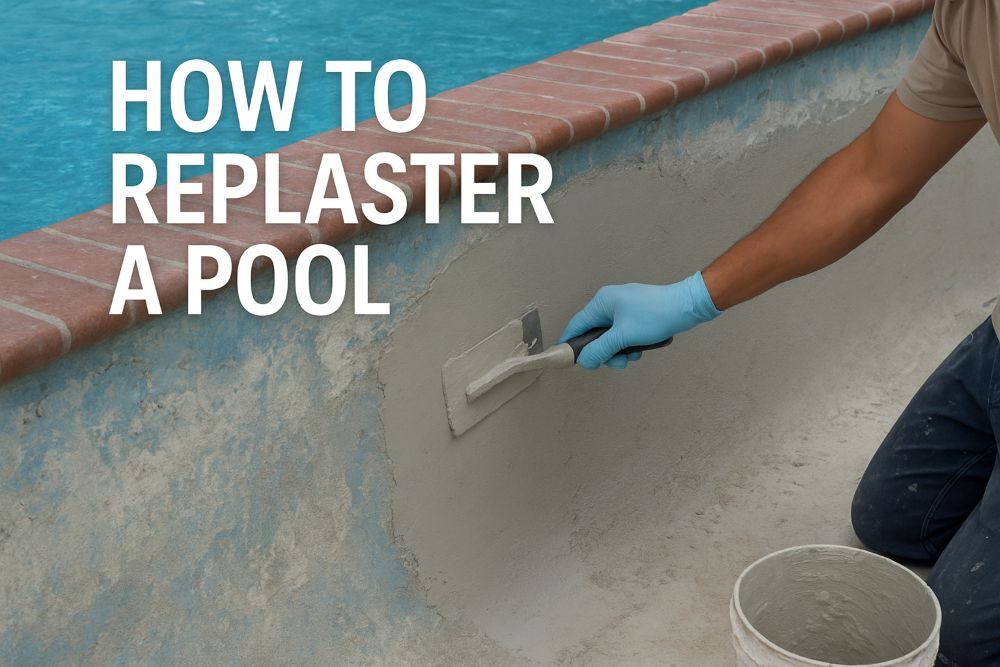
Replastering a pool involves several detailed steps to ensure a smooth, durable finish:
- Drain the Pool – The water is completely drained to expose the pool’s surface.
- Remove Old Plaster – The old, damaged plaster is chipped or sandblasted away to create a clean surface.
- Surface Preparation – The pool shell is cleaned, patched, and treated with a bonding agent.
- Apply New Plaster – The new plaster mix is applied evenly across the entire pool surface.
- Smooth and Cure – The plaster is troweled smooth, allowed to cure, and then filled with water.
- Water Balancing – The water chemistry is balanced to protect the new plaster and ensure proper curing.
The entire process usually takes 3 to 5 days, depending on pool size and weather conditions.
Pool Plastering Cost
The cost to replaster a pool typically ranges between $5,000 and $10,000, depending on several factors:
- Pool Size and Shape
- Type of Finish (standard plaster vs. pebble or quartz)
- Condition of Existing Surface
- Regional Labor Costs
While standard white plaster is the most affordable option, investing in a durable pebble or quartz finish can extend your pool’s life and reduce long-term maintenance costs.
Final Thoughts
Replastering your pool is one of the best ways to maintain its beauty, safety, and value. It’s not just about looks—it’s about protecting your investment and ensuring your pool remains a relaxing retreat for years to come. If your pool shows signs of wear, don’t wait too long—schedule a professional pool inspection and get expert advice on the best replastering solution.
FAQ’s
Can you replaster a pool over old plaster?
Yes, you can replaster over old plaster as long as the existing surface is still sound and properly prepared. However, if the old plaster is heavily cracked or delaminated, it’s best to remove it completely for a long-lasting result.
What happens if you don’t replaster your pool when you need to?
Neglecting to replaster your pool can lead to leaks, increased water and chemical use, and even structural damage to the pool shell. Over time, repair costs will rise significantly.
What is the difference between resurfacing and replastering a pool?
Replastering refers specifically to applying a new plaster coat, while resurfacing can involve other finishes such as pebble, quartz, or tile. In other words, replastering is one type of resurfacing.