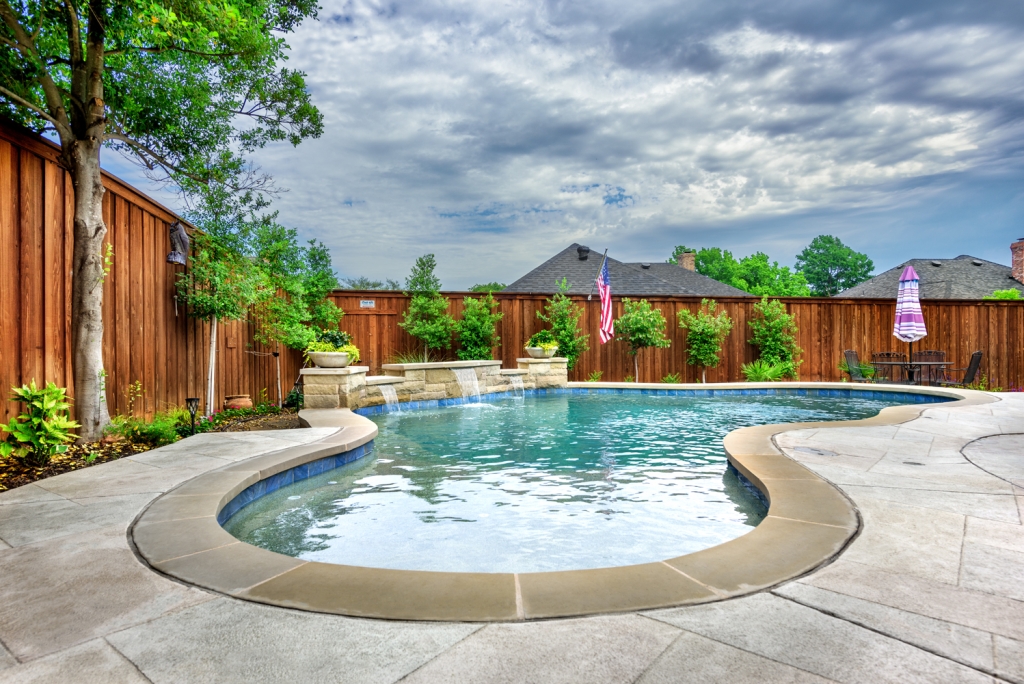
Building a swimming pool is a major capital investment that directly impacts your property value, lifestyle, and long-term maintenance costs. The quality of construction, structural integrity, hydraulic design, and finishing work all depend on one critical decision – choosing the right pool builder.
A poorly selected contractor can lead to cost overruns, structural failures, delayed timelines, and ongoing maintenance headaches. On the other hand, a qualified and experienced swimming pool builder ensures proper engineering, compliance with local regulations, and a smooth construction process.
This blog provides 21 practical, experience-driven tips to help you select the right swimming pool contractor with confidence.
How to Choose a Pool Builder
Selecting a pool builder requires due diligence. You should evaluate technical expertise, licensing, insurance coverage, design capabilities, contract transparency, and after-sales support.
Below are 21 actionable tips to guide your decision-making process.
21 Tips on Choosing the Right Swimming Pool Builder
1. Verify Proper Licensing
Ensure the contractor holds a valid state or municipal license for pool construction. Licensing confirms compliance with local construction codes and safety regulations.
2. Confirm Insurance Coverage
Request proof of:
- General liability insurance
- Workers’ compensation insurance
This protects you from legal and financial liability during construction.
3. Check Industry Certifications
Look for builders affiliated with professional organizations such as:
- Pool & Hot Tub Alliance
- National Plasterers Council
Membership indicates commitment to industry standards and ongoing education.
4. Review Experience in Pool Construction
Choose a company with several years of specialized experience in:
- Concrete (gunite/shotcrete) pools
- Fiberglass pools
- Vinyl liner pools
Ask how many pools they complete annually.
5. Examine Their Portfolio
Request a portfolio of completed projects. Look for:
- Design diversity
- Quality finishes
- Complex installations
- Landscaping integration
Visual consistency reflects craftsmanship quality.
6. Ask for References
Speak directly with at least 3 recent clients. Ask about:
- Timeline adherence
- Budget accuracy
- Communication
- Post-installation service
- Timeline adherence
7. Visit Ongoing or Completed Projects
Seeing active job sites reveals:
- Cleanliness
- Crew professionalism
- Safety practices
- Material quality
8. Evaluate Design Capabilities
A competent builder should provide:
- 3D design renderings
- Hydraulic system planning
- Structural engineering details
Design clarity prevents costly changes later.
9. Compare Detailed Written Quotes
Avoid vague estimates. A proper quote should itemize:
- Excavation
- Steel reinforcement
- Plumbing & electrical
- Equipment
- Finishes
- Permits
Transparency prevents disputes.
10. Understand the Construction Timeline
Ask for a realistic project schedule with milestones. Delays often occur due to weather or permit approvals – ensure contingency plans are discussed.
11. Clarify Warranty Terms
Confirm warranties for:
- Structural shell
- Equipment (pumps, heaters, filters)
- Surface finish
Longer structural warranties indicate confidence in workmanship.
12. Review Contract Terms Carefully
Ensure the contract includes:
- Payment schedule
- Scope of work
- Change order policy
- Completion terms
Avoid large upfront payments.
13. Check Online Reviews
Review Google, Yelp, and BBB ratings. Focus on patterns in feedback rather than isolated complaints.
14. Assess Communication Quality
Prompt responses, clear explanations, and professional documentation indicate organized project management.
15. Confirm Permit Handling
A reputable builder manages:
- Permit applications
- Inspections
- Code compliance
Avoid contractors asking you to pull permits yourself.
16. Inspect Equipment Brands Used
High-quality equipment improves longevity. Look for trusted brands like:
- Pentair
- Hayward
- Jandy
- Pentair
17. Understand Maintenance Requirements
Ask about:
- Filtration systems
- Energy efficiency
- Automation systems
- Long-term operational costs
- Filtration systems
18. Evaluate Customization Options
Top builders offer:
- Water features
- LED lighting
- Smart automation
- Integrated spas
- Energy-efficient heating
- Water features
19. Compare Value – Not Just Price
Lowest bids often mean:
- Inferior materials
- Subcontracted labor
- Limited warranty
Focus on ROI and lifecycle cost.
20. Ask About After-Sales Support
Post-construction service is critical. Confirm:
- Equipment training
- Maintenance guidance
- Service availability
- Equipment training
21. Trust Professional Judgment
If a contractor pressures you into quick decisions, avoids documentation, or refuses references – consider it a red flag.
Conclusion
Choosing the right swimming pool builder is a strategic decision that affects structural durability, safety, aesthetics, and long-term maintenance costs. By conducting thorough research, verifying credentials, comparing transparent proposals, and evaluating experience, you significantly reduce construction risk.
A professionally built swimming pool is not just a luxury – it is an engineered outdoor asset designed for decades of enjoyment. Invest time in selecting the right builder, and you’ll protect both your property value and your peace of mind.