


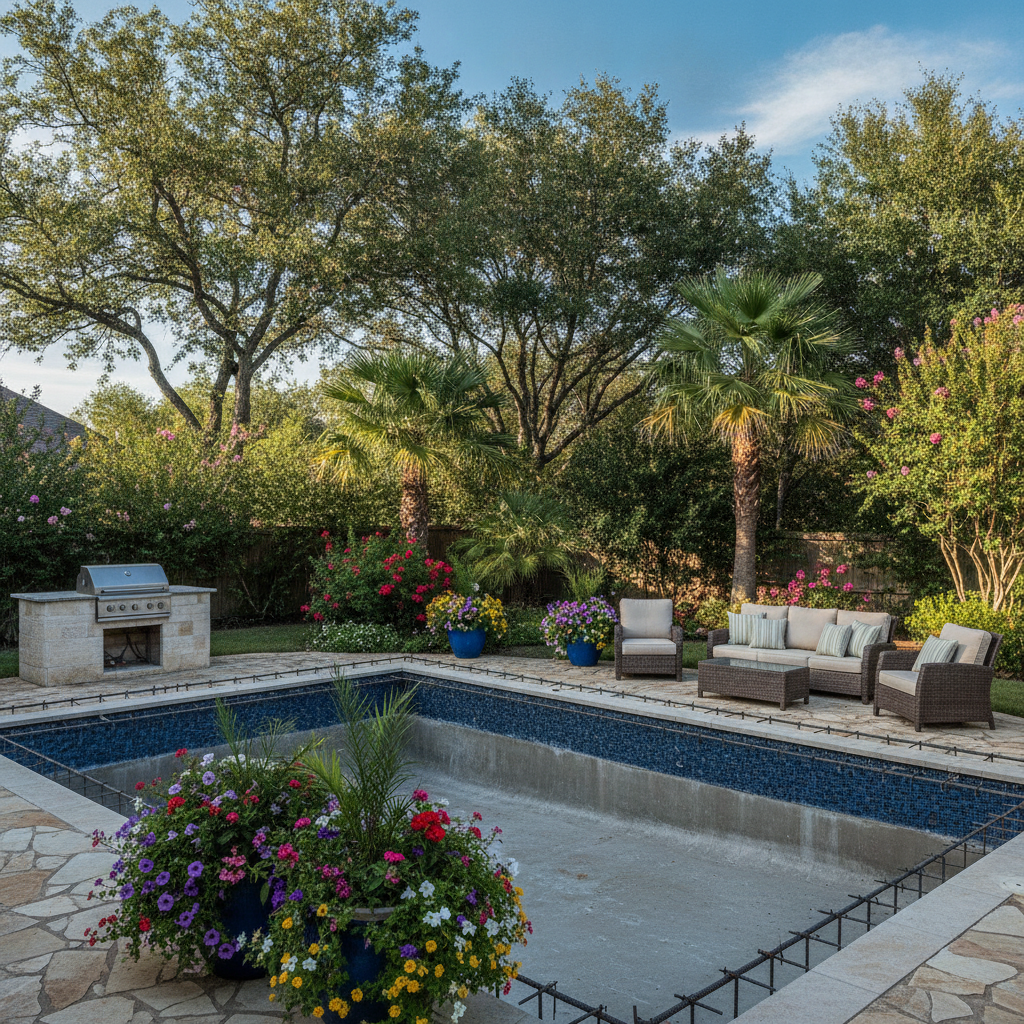
If you’ve ever dreamt of transforming your backyard into a private oasis, you’ve likely wondered about the real cost of pool installation in Austin, Texas. Whether you’re a small business owner seeking to enhance your property, a developer planning a new community, or a homeowner eager for summer fun, understanding what goes into pool installation is crucial. The process involves more than just digging a hole and filling it with water, it’s a blend of design, engineering, permits, and ongoing maintenance. Costs can swing dramatically based on choices like pool type, size, features, and the unique characteristics of your property. In this comprehensive guide, we’ll break down the factors that shape pricing, explore hidden expenses, and offer insights to help you budget wisely for your next big project. By the end, you’ll have a clear picture of what to expect when considering pool installation austin texas, and how to make the most of your investment without surprises.
Understanding Pool Types and Their Impact on Cost
The type of pool you choose is the single biggest factor in determining your installation cost. There are three primary types: concrete (gunite), fiberglass, and vinyl liner pools. Each comes with its own price range, installation timeline, and maintenance needs. Concrete pools are the most customizable but also the most expensive and time-consuming to build. Fiberglass pools offer quicker installation and lower maintenance but have size and shape limitations. Vinyl liner pools are typically the most budget-friendly upfront, though liners need replacement every several years. Your choice will depend on your budget, desired features, and how you plan to use your pool. For a deeper dive into construction options, Cutters Pools provides detailed service breakdowns for each pool type.
Breaking Down the Average Price Range
Pool installation costs in the area can vary widely, but most projects fall within a certain range. For a standard in-ground pool, you might expect to pay anywhere from the low five figures to much higher, depending on size, materials, and features. This range covers basic excavation, shell installation, plumbing, and essential equipment. However, upgrades like custom shapes, integrated spas, or advanced filtration systems can quickly push costs higher. It’s important to get multiple quotes and understand exactly what’s included in each bid. For a full overview of available services and what’s typically included, visit our site to compare options and packages.
Site Preparation and Property Considerations
Every property presents its own set of challenges and opportunities when it comes to pool installation. Factors like soil type, slope, accessibility for construction equipment, and existing landscaping can all impact both the complexity and the cost of your project. For example, rocky soil or a steeply sloped yard may require additional excavation or retaining walls, adding to the overall budget. Urban properties may face extra logistical hurdles, such as limited access for machinery or the need for special permits. Addressing these considerations early in the planning process helps avoid unexpected expenses. If you’re considering upgrades or renovations to an existing pool, explore pool construction services that can handle unique site challenges.
Permitting, Regulations, and Local Requirements
Before breaking ground, you’ll need to navigate a range of municipal permits and regulations. Local codes may dictate pool placement, fencing, drainage, and safety features. The permitting process can add both time and cost to your project, especially if your design includes features like diving boards or complex lighting. It’s wise to work with a contractor who understands the ins and outs of regional requirements and can help streamline approvals. For guidance on selecting a knowledgeable contractor, check out How to Find the Best Pool Construction Company Near Me for tips on vetting professionals with experience in your community.
Features and Customization: What Adds to Your Budget
Beyond the basic shell, the features you choose can significantly influence your final bill. Popular upgrades include waterfalls, integrated spas, tanning ledges, LED lighting, and automation systems for cleaning and temperature control. While these additions enhance your enjoyment and the pool’s value, they also come with higher upfront costs and, in some cases, increased maintenance. It’s important to prioritize features based on your lifestyle and budget. If you’re unsure which upgrades deliver the best return, resources like How to Find the Best Inground Pool Contractor Near Me can help you weigh the pros and cons of different options.
Understanding the Timeline for Installation
The timeline for pool installation varies depending on the type of pool, weather conditions, and the complexity of your project. Fiberglass pools can often be installed in a matter of weeks, while custom concrete pools may take several months from design to completion. Delays can occur due to permitting, weather, or supply chain issues. Planning ahead and working with an experienced team can help keep your project on schedule. It’s also helpful to build in a buffer for unexpected setbacks, ensuring your pool is ready for the season you want to enjoy it most. Communication with your contractor throughout the process is key to avoiding surprises and staying on track.
Hidden Costs: What to Watch Out For
While the initial quote for pool installation covers the basics, there are often hidden costs that can catch new pool owners off guard. These may include landscaping repairs, utility upgrades, or additional safety features required by local codes. Ongoing maintenance, such as chemical treatments, cleaning equipment, and seasonal opening or closing, also adds to the total cost of ownership. It’s wise to ask your contractor for a detailed breakdown of potential extras and budget accordingly. Factoring in these less obvious expenses from the outset will help you avoid sticker shock and ensure your pool remains a source of enjoyment, not frustration.
Long-Term Maintenance and Operational Expenses
Once your pool is installed, the costs don’t stop there. Regular maintenance is essential to keep your pool safe, clean, and inviting. This includes routine cleaning, balancing chemicals, inspecting equipment, and occasional repairs. Energy costs for heating, lighting, and filtration can also add up, especially during peak swimming months. Some pool types, like concrete, may require resurfacing after several years, while vinyl liners need periodic replacement. Investing in efficient equipment and automation can help control ongoing expenses. Understanding these long-term costs is crucial for budgeting and ensuring your pool remains an asset to your property for years to come.
Financing Options and Payment Plans
Given the significant investment involved, many pool buyers explore financing options to make installation more manageable. Some contractors offer in-house financing or partner with lenders who specialize in home improvement loans. Home equity loans, lines of credit, and personal loans are also common ways to spread out payments. It’s important to compare interest rates, terms, and fees to find the best fit for your budget. Be sure to ask about payment schedules, down payments, and any penalties for early repayment. Careful planning on the financial side can make your pool project more accessible and less stressful.
Comparing Pool Installation Costs: A Quick Reference Table
| Pool Type | Installation Time | Typical Upfront Cost | Maintenance Needs |
|---|---|---|---|
| Concrete (Gunite) | 2-4 months | Highest | High (resurfacing needed) |
| Fiberglass | 2-4 weeks | Moderate to High | Low |
| Vinyl Liner | 4-8 weeks | Lowest | Medium (liner replacement) |
Tips for Maximizing Your Pool Investment
Getting the most value from your pool installation means thinking beyond the initial build. Consider how your pool fits into the overall landscape and how it can complement other outdoor features. Investing in energy-efficient equipment, like variable-speed pumps or LED lighting, can reduce long-term costs. Smart automation systems make maintenance easier and help you monitor usage. Don’t forget to plan for shade, seating, and safety features that enhance both enjoyment and resale value. Finally, regular upkeep and prompt repairs will protect your investment and ensure your pool remains a highlight of your property for years to come.
The Bottom Line
Installing a pool is a major investment that can transform your property and lifestyle. By understanding the factors that influence cost, from pool type and features to site conditions, permits, and ongoing maintenance, you’ll be better prepared to plan your project and avoid surprises. Take time to research contractors, ask detailed questions, and get clear, written estimates. Remember to budget for both the visible and hidden costs, and explore financing if needed. With careful planning and the right team, your backyard dream can become a reality, offering years of enjoyment and adding value to your home or business. Whether you’re just starting to explore options or ready to break ground, a thoughtful approach will ensure your pool installation is a success.
Related Service
Looking for professional pool installation austin texas?
Visit our dedicated service page to learn more about what we offer in Austin, TX.