The swim spa vs inground pool question comes up more often as Austin lots get smaller and construction costs rise. Both give you a place to cool off, exercise and entertain, but they differ sharply in size, price, installation and long-term use. This guide explains how each option works and how Central Texas conditions can affect your decision.
Swim Spa vs Inground Pool: Which Is Right for You?
What Is a Swim Spa?
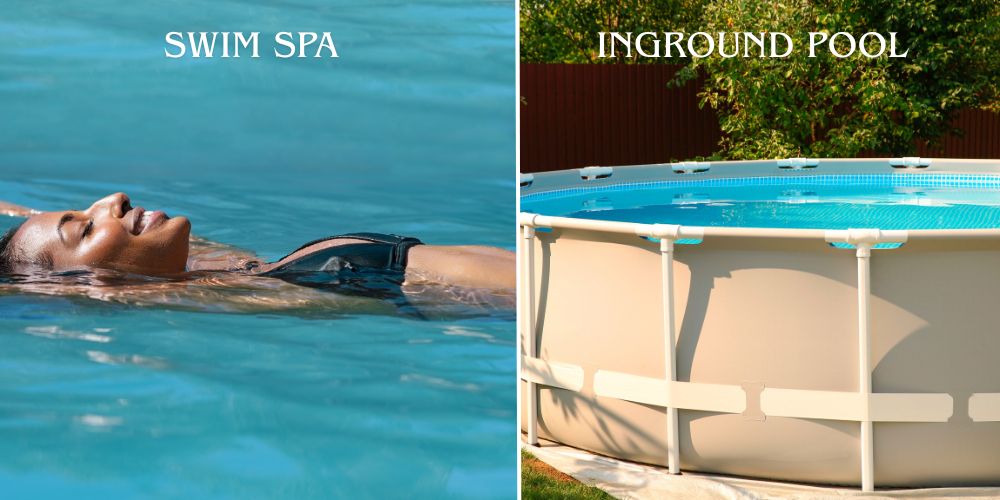
A swim spa is a prefabricated, self-contained unit, usually 12 to 20 feet long, with jets that create an adjustable current so you can swim in place. Many include seating and hydrotherapy jets, so a single unit works for exercise and soaking. Most sit on a prepared concrete pad.
Read More – Top 10 Geometric Pool and Spa Design Ideas 2026
What Is an Inground Pool?
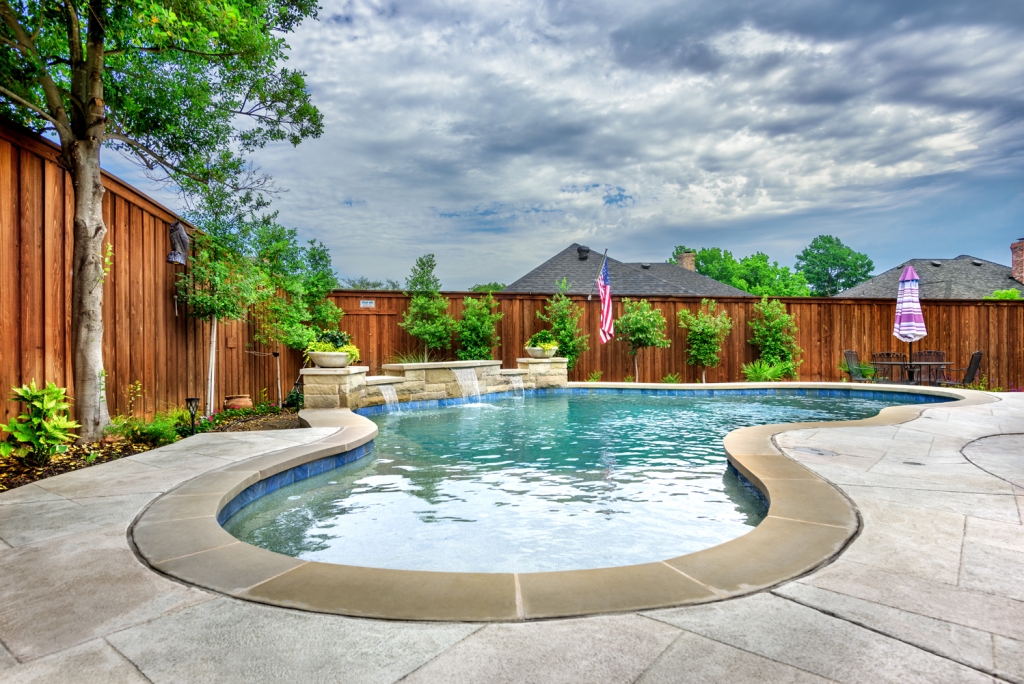
An inground pool is built on site to fit your yard. Custom concrete (gunite) pools can take almost any shape, depth and size, and can include features such as a sun shelf, spa, waterfall or outdoor kitchen nearby.
Comparison Table: Swim Spa vs Inground Pool
Factor | Swim Spa | Inground Pool |
Typical size | 12–20 ft long, compact | Fully custom, any size or shape |
Upfront cost | Generally lower, plus pad and electrical work | Generally higher; varies with size and features |
Installation time | Often days to weeks | Typically several months including permitting |
Best for | Exercise, small yards, hydrotherapy | Entertaining, play, lounging, design freedom |
Depth and layout | Uniform depth, no diving | Varied depths, ledges, slides, diving options |
Water volume and upkeep | Smaller volume, easier to heat and balance | Larger volume, more chemicals and equipment |
Year-round use | Easy to heat and cover | Possible with a heater and cover |
Design impact | Looks like an appliance unless built into a deck | Becomes part of the landscape |
How Austin Conditions Affect the Choice
Lot size and HOA rules. Many Austin neighborhoods have compact backyards or HOA guidelines on placement and screening. A swim spa fits tight spaces more easily, while a custom inground design can be tailored to an irregular lot.
Heat and swim season. Austin summers can push uncovered water temperatures uncomfortably high, while winter cold snaps affect comfort. A swim spa with an insulated cover is easy to keep usable year-round, while a larger inground pool needs a heater or heat pump to extend its season.
Soil and excavation. Limestone and expansive clay can influence inground pool costs and schedules because excavation and structural planning are more involved. A swim spa on a pad avoids most of that, though the pad still needs proper engineering.
Permits and safety. Inground pools typically require permit review before construction, and timelines can run from several weeks to a few months. Swim spas may still require electrical permits, barrier compliance or HOA approval, so confirm requirements with the City of Austin or your local jurisdiction first.
Which Is Right for You?
A swim spa often suits you if:
- Your main goal is fitness or low-impact exercise
- Your yard is small or you want a faster installation
- You want a year-round hot soak plus a place to swim
An inground pool often suits you if:
- You entertain often or have children who like to play
- You want a custom shape, depth and surrounding landscape
- You see the pool as a long-term addition to your property
Searching for a Pool Builder Near Austin
If you are searching for a pool builder near Austin, start by deciding how you want to use the space, then meet with two or three builders to compare their approach. Ask about site conditions, permits, timelines and what each quote includes. Cutters Pools is a locally owned Austin builder serving Westlake, Lakeway, Cedar Park, Round Rock and surrounding communities, and can explain how an inground design could fit your yard.
Frequently Asked Questions
Is a swim spa cheaper than an inground pool? Usually, yes. The unit itself generally costs less than a custom concrete pool, though pad preparation, electrical work, decking and delivery add to the total.
Does a swim spa add as much value as an inground pool? Not necessarily. Buyers often view a built-in pool as a permanent feature, while a swim spa may be seen as removable equipment. Value depends on the neighborhood and buyer preferences.
Can I use a swim spa for lap swimming? Not in the traditional sense. You swim against a current in one spot, which works well for training but cannot replace a full-length lap pool.